Why Bowling Green Attics Get So Hot in Summer
If you live in Bowling Green, you know how brutal summer heat can be. The thermometer climbs into the 80s and 90s regularly, and your attic becomes a furnace. Uninsulated or poorly insulated attics in the area can reach temperatures exceeding 130 degrees Fahrenheit on a sunny day. This heat radiates downward into your living spaces, forcing your air conditioning system to work overtime and driving up your energy bills month after month.
The problem compounds when you consider that most homes built decades ago relied on fiberglass batts or blown cellulose, both of which settle, compress, and lose effectiveness over time. Attic Spray Foam Insulation creates an air-tight seal that traditional insulation simply cannot match. By sealing every crack, crevice, and gap in your attic, spray foam prevents hot air from infiltrating your home and cool air from escaping. The result is a noticeably cooler house, lower cooling costs, and a more comfortable living environment throughout the sweltering Kentucky summer.
Winter Rim Joists and Crawl Spaces: The Hidden Cold Spots
Winter in Bowling Green brings its own challenges. While the region doesn't experience extreme cold like northern states, freezing temperatures are common enough to cause serious problems in uninsulated rim joists, band joists, and crawl spaces. These areas are notorious for heat loss because they sit directly above the foundation and are often overlooked during initial construction or renovation. Homeowners frequently discover ice dams, frozen pipes, and frigid floors only after the damage is done.
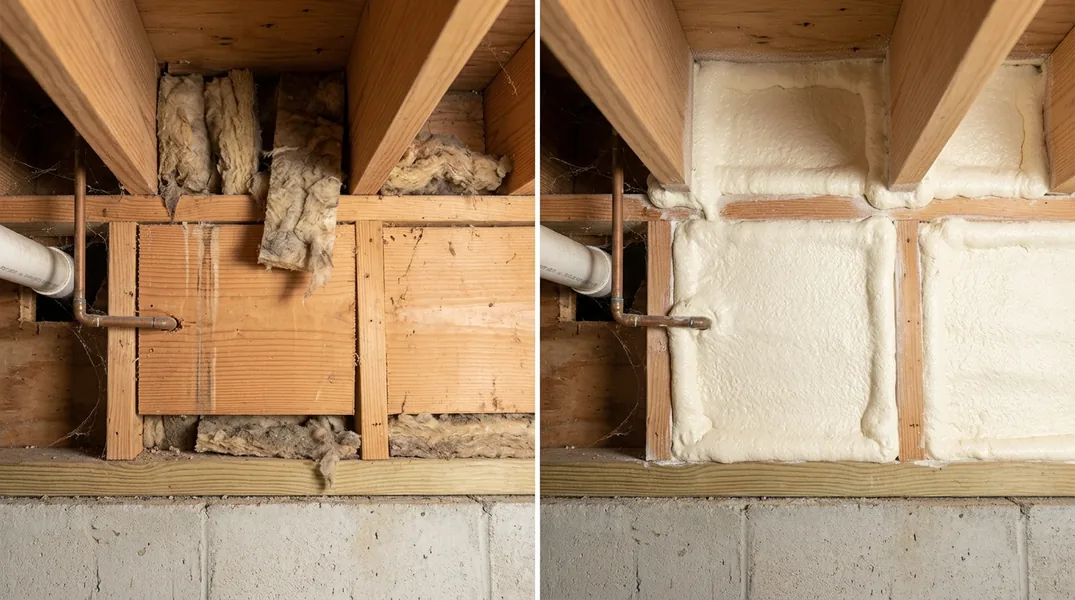
Rim joists are the wooden beams that connect your home's foundation to the floor joists above. They're exposed to outdoor air and are among the first places cold penetrates a home. Wall & Injection Foam Insulation is an excellent solution for sealing these vulnerable zones. The foam expands to fill every void, creating a continuous thermal barrier that keeps cold air out and warm air in. This targeted approach is far more effective than trying to stuff fiberglass into tight rim joist cavities, where gaps and compression are almost inevitable.
Metal Building Insulation: Why Spray Foam is the Best Choice
Metal buildings, barndominiums, and pole barns have exploded in popularity across Kentucky. They offer affordability, flexibility, and a modern aesthetic that appeals to homeowners and business owners alike. However, metal buildings present unique insulation challenges that conventional materials struggle to address. Metal conducts heat and cold extremely efficiently, meaning your structure can become uncomfortably hot in summer and bitterly cold in winter without proper insulation.
The best insulation for metal buildings is spray foam, and there's solid science behind this recommendation. Closed Cell Spray Foam Insulation adheres directly to metal surfaces, creating a seamless, air-tight envelope. Unlike fiberglass or mineral wool batts, which require an air gap and can sag or compress over time, closed cell spray foam bonds to the metal decking and maintains its R-value indefinitely. For steel building insulation projects, this durability and performance are non-negotiable. The foam also resists moisture, mold, and pest infiltration, protecting your investment for decades.
Barndominiums and pole barns benefit equally from this approach. Whether you're converting a structure for residential use or maintaining it for agricultural or commercial purposes, metal building insulation with spray foam ensures consistent comfort and energy efficiency. The upfront investment pays for itself through lower heating and cooling costs, fewer maintenance headaches, and improved structural integrity.
Closed Cell vs. Open Cell: Which Spray Foam is Right for Your Home?
Closed Cell Spray Foam Insulation and Open Cell Spray Foam Insulation serve different purposes, and choosing between them depends on your specific situation. Closed cell foam has a higher R-value per inch (typically 6.0 to 7.0), making it ideal for attics, metal buildings, and spaces where you need maximum insulation in a minimal thickness. It's also moisture-resistant and provides structural rigidity, which is valuable in pole barns and steel buildings that may experience wind or snow loads.
Open cell foam, by contrast, has a lower R-value per inch (around 3.5 to 3.6) but is more cost-effective and allows moisture vapor to pass through, making it suitable for interior walls and spaces where breathability is desired. For Plum Springs and surrounding areas with moderate humidity levels, open cell can be an excellent choice for wall cavities and basement rim joists where you want good insulation without the premium price tag of closed cell.
The decision ultimately depends on your climate, your home's structure, and your budget. A professional assessment from Bowling Green Spray Foam Insulation can help you determine which type of foam will deliver the best results for your particular application. Both options are vastly superior to traditional batts or blown insulation when it comes to air sealing and long-term performance.
Energy Savings and Comfort: Real Numbers You Can Expect
Homeowners often ask how much they can realistically save by upgrading to spray foam insulation. The answer varies based on your home's current insulation, your local climate, your thermostat settings, and your utility rates. However, studies consistently show that properly insulated homes with spray foam experience 20 to 30 percent reductions in heating and cooling costs compared to homes with conventional insulation. For a typical Woodburn area residence, this could translate to savings of $500 to $1,500 per year, depending on the season and your energy usage patterns.
Beyond the dollar savings, the comfort improvements are equally valuable. Spray foam eliminates drafts, cold spots, and uneven temperatures throughout your home. Your air conditioning and heating systems run more efficiently, cycling less frequently and lasting longer. You'll notice fewer dust and allergen infiltrations because the air-tight seal prevents outdoor contaminants from entering your living spaces. These quality-of-life improvements often matter more to homeowners than the energy bill reduction alone.
Getting Started: Attic Spray Foam Insulation Near Me
If you're ready to address your home's insulation problems, the first step is scheduling a professional evaluation. Bowling Green Spray Foam Insulation serves the entire Bowling Green area and surrounding communities. Our team will inspect your attic, rim joists, crawl spaces, and any other areas of concern. We'll assess your current insulation, identify air leaks, and recommend the best solution for your specific needs and budget.
Whether you need Attic Spray Foam Insulation, metal building insulation for a barndominium, or rim joist sealing for winter protection, our experienced crew has the expertise to deliver professional results. We use only high-quality materials and proven installation techniques to ensure your investment performs as expected for years to come. Call us today at (270) 495-6158 or visit our website to request a free estimate. Let's make your home more comfortable and energy-efficient, no matter what the Kentucky weather throws your way.
Looking for a professional spray foam insulation contractor in Bowling Green? Bowling Green Spray Foam Insulation responds fast for all your spray foam insulation needs.
Get a Free Quote