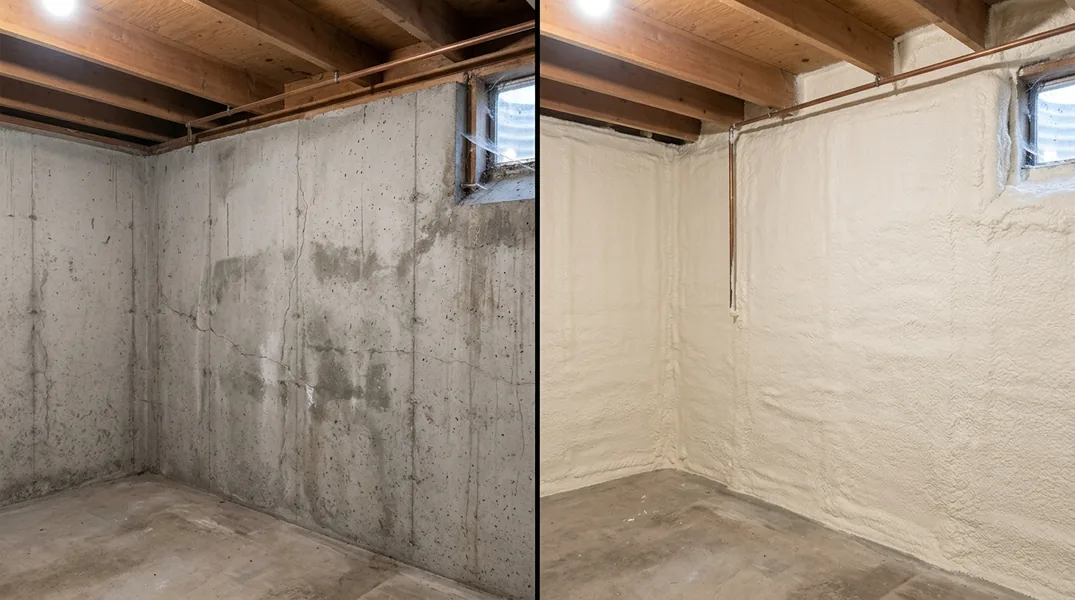
Understanding Spray Foam Attic Insulation: Open Cell vs Closed Cell
When it comes to insulating your home in Bowling Green, spray foam has become one of the most effective solutions available to homeowners. However, not all spray foam is created equal. The two primary types, open cell and closed cell, offer distinct advantages and trade-offs that can significantly impact your home's energy efficiency, comfort, and long-term performance. Understanding these differences is crucial before you commit to any Attic Spray Foam Insulation project.
Both types of spray foam start as liquid chemicals that expand when applied, filling gaps and creating an air seal. However, the cellular structure and resulting properties differ substantially. Open cell foam has a lower density and allows air and moisture to pass through, while closed cell foam is denser and creates a complete moisture barrier. For homeowners in Bowling Green looking to upgrade their attic insulation, choosing between these two options requires understanding your specific needs and climate considerations.
What Is Open Cell Spray Foam Insulation?
Open Cell Spray Foam Insulation is a lighter, more flexible insulation material with an R-value of approximately 3.6 per inch. The cells in this foam are not completely closed, meaning they remain open and allow air and moisture to pass through the material. This characteristic makes open cell foam slightly more permeable than its counterpart, which can be advantageous in certain applications and climates.
One of the primary benefits of open cell foam is its cost effectiveness. It typically costs less than closed cell foam, making it an attractive option for budget-conscious homeowners. Additionally, open cell foam is excellent for sound dampening, which can be a valuable feature if you're concerned about noise transmission through your attic. The flexibility of open cell foam also makes it easier to apply in irregular spaces and around obstacles, and it allows your attic to still breathe naturally. For homeowners in Kentucky seeking a more economical insulation solution, open cell spray foam can provide solid performance while keeping initial expenses manageable.
The Advantages of Closed Cell Spray Foam Insulation
Closed Cell Spray Foam Insulation is denser and more rigid, with an R-value of approximately 6.0 to 6.5 per inch. Because the cells are completely closed, this foam creates a continuous moisture barrier that prevents water vapor from penetrating the material. This property makes closed cell foam particularly valuable for creating what professionals call an unvented attic spray foam system, which can be especially beneficial in humid climates or areas prone to moisture issues.
The superior R-value of closed cell foam means you need less thickness to achieve the same insulation performance as open cell foam. This can be particularly advantageous if you have space constraints in your attic. Closed cell foam also provides structural reinforcement to your roof and can increase the rigidity of your home's envelope. Additionally, because it creates a sealed attic insulation barrier, closed cell foam offers enhanced protection against air infiltration and moisture damage. While the initial investment is higher, many homeowners find that the long-term energy savings and durability justify the premium cost. For those seeking maximum performance and protection, closed cell foam represents the gold standard in attic insulation technology.
Sealed Attic Insulation: Why an Unvented Attic Matters
One of the most significant advantages of using spray foam for attic insulation is the ability to create what's known as a sealed attic insulation system. Rather than insulating the attic floor and allowing the attic space itself to remain ventilated, spray foam applied to the underside of the roof deck creates an unvented attic spray foam assembly that brings the attic into the conditioned space of your home. This approach has gained considerable traction among builders and energy-conscious homeowners throughout Kentucky.
A sealed attic offers multiple benefits. First, it improves energy efficiency by reducing air leakage, which is responsible for a significant portion of home energy loss. Second, it provides better control over indoor humidity levels, as the attic becomes part of your climate-controlled living space. Third, it prevents moisture-related problems such as mold growth and wood rot that can occur in traditional vented attics. For homeowners in Bowling Green, creating an unvented attic spray foam system can result in more consistent indoor temperatures, reduced HVAC strain, and lower utility bills throughout the year. The investment in proper attic sealing pays dividends in comfort and protection.
Attic Spray Foam Insulation Cost in Bowling Green: What to Budget
When planning an attic spray foam insulation project, cost is naturally a primary consideration for most homeowners. The pricing for spray foam insulation varies based on several factors, including the type of foam selected, the square footage of your attic, the desired R-value, and the complexity of the installation. Open cell foam generally costs between $0.50 to $1.00 per board foot, while closed cell foam typically ranges from $1.00 to $2.00 per board foot or more, depending on local market conditions and contractor expertise.
For a typical attic in Bowling Green, homeowners can expect to invest anywhere from $1,500 to $5,000 or more for a complete spray foam insulation system. While this may seem substantial compared to traditional fiberglass insulation, the energy savings and durability of spray foam often result in a return on investment within five to seven years. Many homeowners also discover that they qualify for rebates that can offset initial costs. To understand the specific pricing for your home and receive a transparent breakdown of costs, we recommend scheduling a free estimate with our team at Bowling Green Spray Foam Insulation. You can also call us at (270) 495-6158 to discuss your project and budget.
Choosing the Right Foam Type for Your Home: Key Considerations
Deciding between open cell and closed cell spray foam depends on your specific circumstances, priorities, and budget. If you're primarily concerned with cost and your attic has adequate ventilation potential, open cell foam may be the right choice. However, if you live in a humid climate, want maximum energy efficiency, or are creating a sealed attic insulation system, closed cell foam is typically the superior option. Consider your home's age, current moisture issues, local climate patterns, and your long-term plans for the property.
It's also worth considering whether you might benefit from combining both types of foam or exploring Wall & Injection Foam Insulation solutions for other areas of your home. Every house has unique characteristics, and a professional assessment can reveal opportunities for optimization. The best way to determine which foam type suits your home is to consult with experienced spray foam professionals who understand local conditions and building science. Contact Bowling Green Spray Foam Insulation today at (270) 495-6158 or request a free estimate to discuss your specific situation and receive personalized recommendations for your attic insulation project.
Looking for a professional spray foam insulation contractor in Bowling Green? Bowling Green Spray Foam Insulation responds fast for all your spray foam insulation needs.
Get a Free Quote